Iron-rich foods you already have in your kitchen
You don't need expensive supplements to eat well for your blood. Simple swaps with everyday Indian foods can make a real difference.
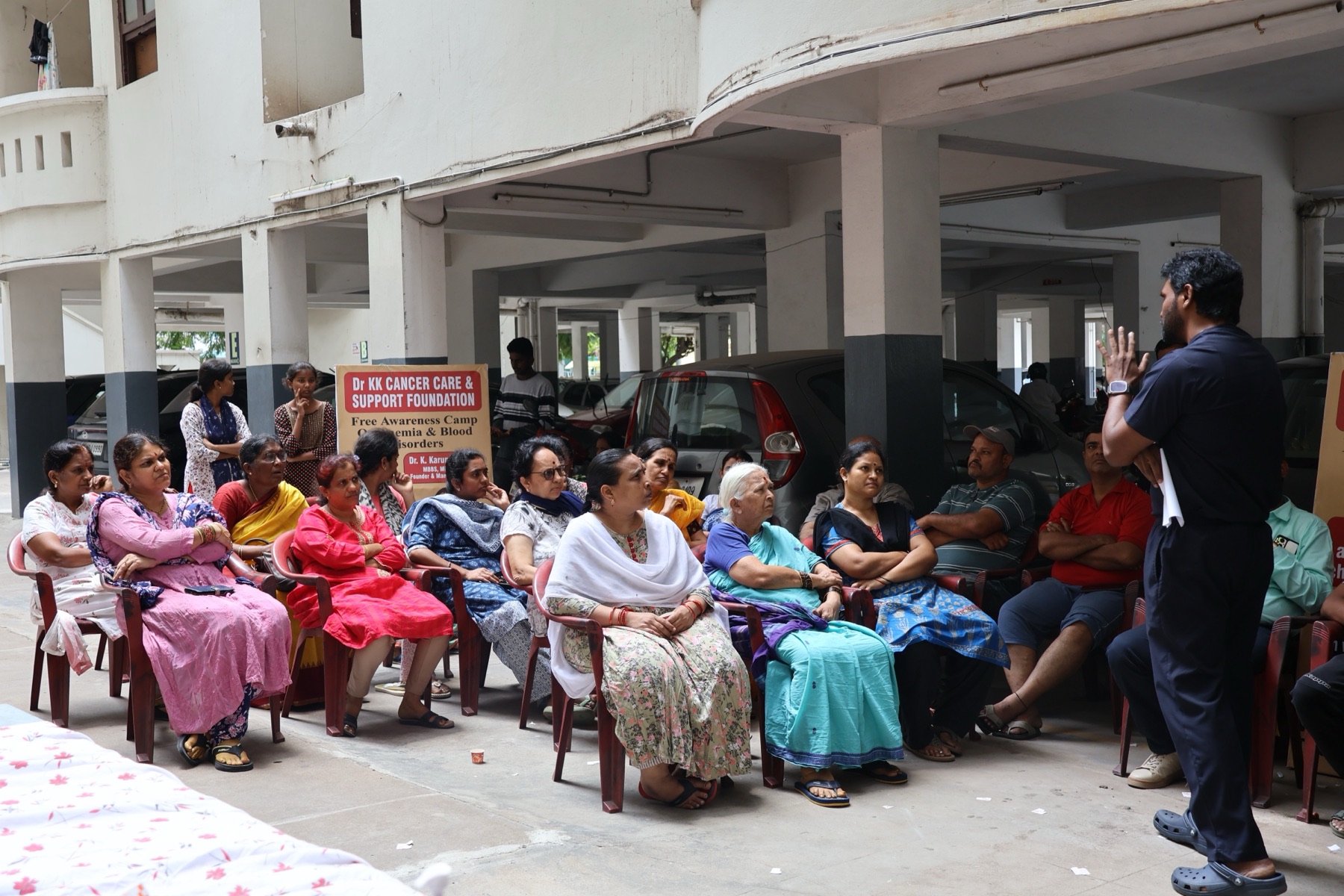
When we talk about anemia at our women’s health workshops, the first question is always: what should I eat? The good news is that many of the best foods for your blood are already in an ordinary Indian kitchen.
Good sources of iron
From plants:
- Green leafy vegetables such as palak (spinach), thotakura (amaranth) and munagaku (drumstick leaves)
- Pulses and beans: rajma, chana, moong, and ulavalu (horse gram)
- Sesame seeds (til) and garden cress seeds (halim)
- Ragi, bajra and jowar
- Dates, raisins and dried figs
- Jaggery, in small amounts
From animals:
- Liver and red meat
- Chicken and fish
- Eggs
Iron from meat, fish and chicken is absorbed more easily by the body than iron from plants. If you’re vegetarian, the tips below matter even more.
Help your body absorb more
How you eat matters as much as what you eat.
- Add vitamin C to your meal. A squeeze of lemon on your dal, a guava or orange after lunch, or a piece of amla can greatly increase how much iron you absorb from plant foods.
- Keep tea and coffee away from meals. They contain substances that block iron. Wait at least an hour after eating.
- Cook in an iron kadai. Cooking in cast iron, especially sour foods like tomato or tamarind dishes, adds a little extra iron to your food.
- Soak or sprout pulses. This makes their iron easier to absorb.
A simple day of iron-friendly eating
- Morning: ragi malt or poha with peanuts and a squeeze of lemon
- Lunch: rice or roti, palak dal or rajma, and a piece of guava afterwards
- Evening: a small handful of roasted chana with jaggery, or two or three dates
- Dinner: egg curry or a leafy vegetable stir-fry with roti
Food alone isn’t always enough
If your hemoglobin is already low, diet may not be enough to bring it up quickly, and you may need treatment. Pregnant women in particular need their iron levels checked regularly. Always get a blood test before starting supplements, and follow your doctor’s advice on dose and duration.
This article is general health information, not a diagnosis. If you are worried about your health, see a doctor or contact us.