Low platelet count? What the number on your report means
Platelet counts cause a lot of worry, especially during dengue season. Here's what platelets do, what counts as low, and when to be concerned.
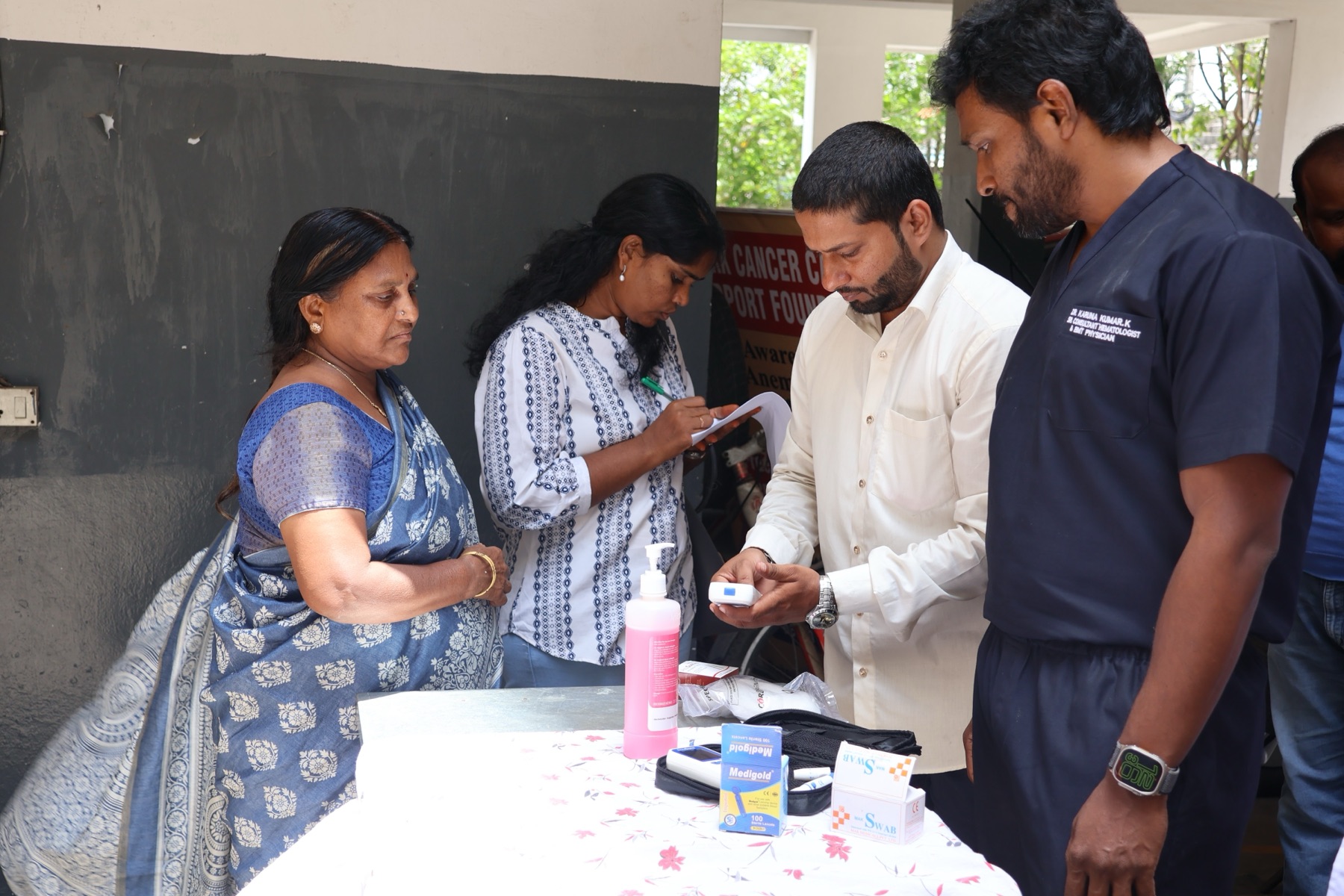
Platelets are tiny cells in your blood that help it clot. When you get a cut, platelets rush to the spot and plug the leak. Without enough of them, you bleed and bruise more easily.
It’s one of the numbers people worry about most when they get a blood report, especially during the monsoon, when dengue is common.
What is a normal count?
A normal platelet count is usually between 1.5 lakh and 4.5 lakh per microlitre of blood (150,000 to 450,000/µL). Your lab report may show it as 150 to 450 × 10³/µL.
A count below 1.5 lakh is called thrombocytopenia. But a slightly low number doesn’t automatically mean danger. Many people with counts above 50,000 have no symptoms at all.
Common causes of low platelets
- Viral fevers, including dengue. Counts often fall for a few days and then recover on their own.
- Some medicines, including certain antibiotics and seizure medicines.
- Low vitamin B12 or folate.
- Liver disease or an enlarged spleen.
- Immune thrombocytopenia (ITP), where the body’s immune system destroys its own platelets.
- Bone marrow problems, including some blood cancers. These are less common but need a specialist.
Sometimes the machine simply miscounts because platelets clump together in the sample. If your count is low but you feel perfectly well, your doctor may simply repeat the test.
Warning signs that need attention
See a doctor promptly if you notice:
- Tiny red or purple dots on the skin, often on the legs (petechiae)
- Bruises that appear without injury
- Bleeding gums or frequent nosebleeds
- Blood in urine or stools, or black stools
- Unusually heavy periods
- Severe headache, vomiting or drowsiness during a fever
A note on dengue
During dengue, it’s natural to watch the platelet count every day. Most people recover with rest, plenty of fluids and careful monitoring. Platelet transfusions are needed only in specific situations, such as very low counts or active bleeding, and your doctor will decide. Watch for warning signs like stomach pain, repeated vomiting, bleeding or extreme weakness, and go to a hospital if they appear.
Don’t ignore a count that stays low
A count that stays low for weeks, or keeps dropping without a clear reason, should be checked by a hematologist, a doctor who specialises in blood disorders. Most causes are treatable, and finding them early makes a real difference.
This article is general health information, not a diagnosis. If you are worried about your health, see a doctor or contact us.